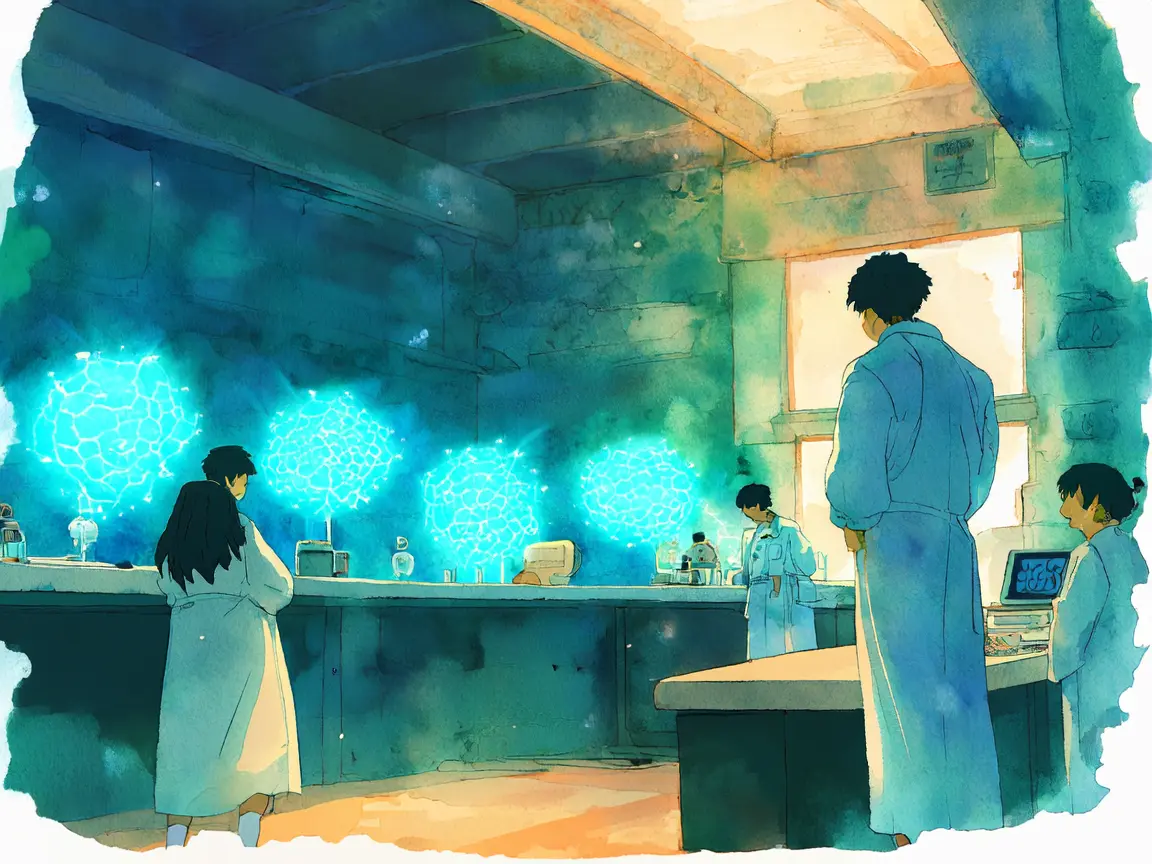
แสงควบคุมเซลล์สมอง: รางวัลโนเบลสำหรับออปโตเจเนติกส์
Recognition of Groundbreaking Work
The Nobel Assembly has awarded the Physiology or Medicine prize to three pioneers for their development of optogenetics. Karl Deisseroth from Stanford University, Peter Hegemann from the University of Munich, and Georg Nagel from the University of Würzburg share this prestigious honor. Their collective research has revolutionized neuroscience by providing precise tools to manipulate neural activity.
การยกย่องผลงานบุกเบิก
คณะกรรมการรางวัลโนเบลได้มอบรางวัลสาขาสรีรวิทยาหรือการแพทย์ให้แก่สามนักบุกเบิกผู้พัฒนาเทคโนโลยีออปโตเจเนติกส์ (Optogenetics) ได้แก่ คาร์ล เดสเซรอธ จากมหาวิทยาลัยสแตนฟอร์ด, ปีเตอร์ เฮเกมันน์ จากมหาวิทยาลัยมิวนิก และจอร์จ นาเกล จากมหาวิทยาลัยวือร์ซบวร์ก ซึ่งต่างร่วมรับเกียรติอันสูงสุดนี้ งานวิจัยร่วมกันของพวกเขามีบทบาทปฏิวัติวงการประสาทวิทยาศาสตร์ โดยมอบเครื่องมือที่แม่นยำสำหรับการควบคุมกิจกรรมของระบบประสาท
Principles of Optogenetics
Optogenetics combines optics and genetics to control specific nerve cells. By introducing light-sensitive proteins into neurons, scientists can activate or inhibit these cells with flashes of light. This method offers unprecedented temporal precision compared to traditional electrical stimulation techniques. It allows researchers to observe cause-and-effect relationships in neural circuits with high accuracy.
หลักการของออปโตเจเนติกส์
ออปโตเจเนติกส์เป็นการผสมผสานระหว่างแสงและพันธุกรรมเพื่อควบคุมเซลล์ประสาทเฉพาะกลุ่ม โดยการนำโปรตีนที่ไวต่อแสงเข้าสู่เซลล์ประสาท นักวิทยาศาสตร์สามารถกระตุ้นหรือยับยั้งการทำงานของเซลล์เหล่านี้ด้วยแสงวาบ วิธีนี้ให้ความแม่นยำด้านเวลาสูงกว่าเทคนิคการกระตุ้นด้วยไฟฟ้าแบบดั้งเดิมอย่างเทียบไม่ติด ช่วยให้นักวิจัยสามารถสังเกตความสัมพันธ์เชิงสาเหตุและผลลัพธ์ในวงจรประสาทได้อย่างแม่นยำสูง
From Algae to Neural Control
The foundational discovery originated from studying channelrhodopsins in green algae. These proteins act as ion channels that open when exposed to light. The laureates successfully adapted these biological mechanisms for use in mammalian nervous systems. This adaptation transformed basic biological findings into powerful experimental tools for modern medicine.
จากสาหร่ายสู่การควบคุมระบบประสาท
การค้นพบพื้นฐานเริ่มต้นจากการศึกษาช่องโชนโรดอปซิน (channelrhodopsins) ในสาหร่ายสีเขียว โปรตีนเหล่านี้ทำหน้าที่เป็นช่องไอออนที่เปิดออกเมื่อได้รับแสง ผู้ได้รับรางวัลโนเบลได้ปรับกลไกทางชีวภาพดังกล่าวให้สามารถใช้ได้ในระบบประสาทของสัตว์เลี้ยงลูกด้วยนม การปรับตัวนี้เปลี่ยนผลการค้นพบทางชีววิทยาขั้นพื้นฐานให้กลายเป็นเครื่องมือทดลองอันทรงพลังสำหรับเวชศาสตร์สมัยใหม่
Implications for Medical Research
This technology has significantly advanced our understanding of complex brain functions. It aids in mapping neural pathways involved in conditions like Parkinson’s disease and depression. Furthermore, it holds promise for developing novel therapies for neurological disorders. The award highlights the critical role of interdisciplinary research in solving medical challenges.
ผลกระทบต่อการวิจัยทางการแพทย์
เทคโนโลยีนี้ได้ช่วยยกระดับความเข้าใจของเราเกี่ยวกับหน้าที่ที่ซับซ้อนของสมองอย่างมาก นอกจากนี้ยังช่วยในการสร้างแผนที่เส้นทางการทำงานของระบบประสาทที่เกี่ยวข้องกับโรคต่างๆ เช่น โรคพาร์กินสันและภาวะซึมเศร้า อีกทั้งยังมีแนวโน้มที่จะนำไปสู่การพัฒนาวิธีการรักษาใหม่ๆ สำหรับความผิดปกติทางระบบประสาท รางวัลครั้งนี้สะท้อนให้เห็นถึงบทบาทสำคัญของการวิจัยข้ามสาขาวิชาในการแก้ปัญหาทางการแพทย์
A New Era in Neuroscience
The recognition of optogenetics marks a milestone in scientific history. It demonstrates how fundamental discoveries can lead to transformative applications. Researchers worldwide are now utilizing these methods to explore the mysteries of the brain. This achievement underscores the importance of supporting innovative scientific inquiry.
ยุคใหม่ของประสาทวิทยาศาสตร์
การยอมรับเทคโนโลยีออปโตเจเนติกส์ถือเป็นจุดเปลี่ยนสำคัญในประวัติศาสตร์วิทยาศาสตร์ สิ่งนี้แสดงให้เห็นว่าการค้นพบพื้นฐานสามารถนำไปสู่การประยุกต์ใช้ที่เปลี่ยนแปลงโลกได้อย่างไร ปัจจุบันนักวิจัยทั่วโลกกำลังใช้วิธีการเหล่านี้เพื่อไขความลับของสมอง ผลงานชิ้นนี้เน้นย้ำถึงความสำคัญของการสนับสนุนการแสวงหาความรู้ทางวิทยาศาสตร์ที่นวัตกรรม
0 Comments
Please login to leave a comment